
What to Do Immediately After a Car Accident in California: A Step-by-Step Guide
AUTO INSURANCE
Felix | Pinoy General Insurance Services
12/8/20259 min read
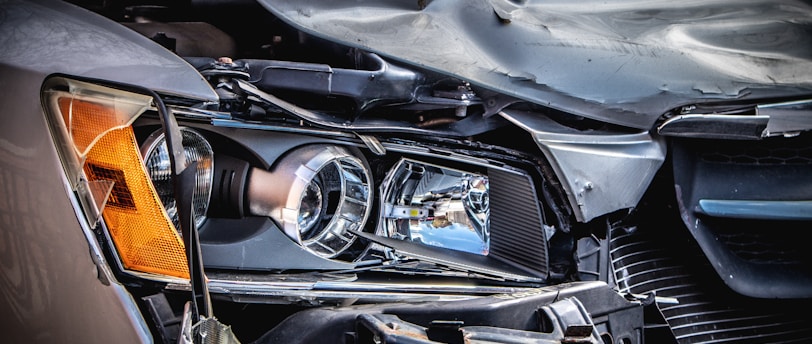

Nobody expects to be in a car accident, but with California's congested freeways and busy streets—including the 91, 605, and 5 freeways near Cerritos—accidents happen daily. How you respond in the critical moments and hours following an accident can significantly impact your safety, legal rights, and insurance claim outcome.
Whether you're involved in a minor fender-bender on South Street or a serious collision on the freeway, knowing exactly what to do can protect you physically, legally, and financially.
This comprehensive guide walks you through every step you should take immediately after a car accident in California.
Step 1: Ensure Safety First (Immediate Action)
Check for Injuries
Your first priority is safety—yours and others'.
Immediate actions:
Check yourself for injuries (adrenaline can mask pain)
Check on passengers in your vehicle
Check on occupants of other vehicles involved
Look for injured pedestrians or bystanders
If anyone is injured:
Call 911 immediately
Do not move injured persons unless they're in immediate danger (fire, traffic)
Provide basic first aid only if you're trained
Keep injured persons calm and still until help arrives
Even seemingly minor injuries should be evaluated by medical professionals. Some serious injuries (concussions, internal bleeding, spinal damage) may not be immediately apparent.
Move to Safety if Possible
California law requires you to move vehicles out of traffic if:
The accident only involves property damage (no injuries)
Vehicles are drivable
Moving them is safe
How to move to safety:
Turn on hazard lights immediately
If on a freeway, move to the shoulder if possible
If on surface streets, move to a parking lot or side street
If vehicles can't be moved, stay inside with seatbelts on until help arrives (unless fire or other danger)
Why this matters:
Prevents secondary accidents
Keeps traffic flowing
Protects you from further injury
California Vehicle Code Section 20002 requires it
If you can't move your vehicle:
Turn on hazard lights
Set up flares or warning triangles if you have them (keep 200+ feet from vehicle)
Stay in your vehicle with seatbelt on unless danger requires you to exit
Call 911 and report that your disabled vehicle is blocking traffic
Step 2: Call the Police (Within Minutes)
When You Must Call Police
California law requires you to report accidents to police if:
Anyone is injured
Anyone is killed
Property damage appears to exceed $1,000 (which is nearly every accident)
Practical advice: Call police for virtually every accident, even minor ones. Here's why:
Police reports provide:
Official documentation of the accident
Neutral third-party account of what happened
Citation of at-fault party (if applicable)
Critical evidence for insurance claims
Legal protection if other party later changes their story
What to Tell the 911 Operator
Provide clear, essential information:
Your exact location (cross streets, freeway mile marker, landmarks)
Number of vehicles involved
Whether anyone is injured
Whether vehicles are blocking traffic
Whether any vehicles are on fire or leaking fluids
Stay on the line until the operator says you can hang up. They may need additional information or provide important instructions.
What Police Will Do
Officers will:
Document the scene with photos and measurements
Interview all drivers and witnesses
Determine if any traffic laws were violated
Issue citations if appropriate
Create an official accident report
Provide report number to all parties
Get the report number from the officer before they leave. You'll need this for your insurance claim.
Step 3: Exchange Information with Other Drivers
Required Information to Collect
From every driver involved, obtain:
Full name and contact information (phone, address)
Driver's license number and state
License plate number and state
Vehicle make, model, year, and color
Insurance company name
Insurance policy number
Insurance agent contact information (if available)
Also document:
Date and time of accident
Location (address or cross streets)
Weather and road conditions
Traffic conditions
Approximate speed of vehicles
How to Exchange Information Safely
Best practices:
Remain calm and courteous (even if the accident wasn't your fault)
Never admit fault or apologize (even saying "I'm sorry" can be interpreted as admission of guilt)
Stick to facts only—exchange information, don't discuss what happened
Take photos of the other driver's license, registration, and insurance card
Give your information freely—it's required by law
What NOT to say:
"It was my fault"
"I wasn't paying attention"
"I'm sorry" (sounds like admission)
Detailed explanations of what happened
Anything about your insurance coverage limits
If the Other Driver Doesn't Have Insurance
Uninsured drivers are unfortunately common in California.
If you discover the other driver is uninsured:
Still exchange all available information
Absolutely make sure police are called
Document everything thoroughly
Notify your insurance company immediately
Your uninsured motorist coverage may apply
Never accept cash payment on the spot in exchange for not reporting the accident. Hidden injuries or vehicle damage often appear later.
Step 4: Document the Accident Scene Thoroughly
Take Comprehensive Photos and Videos
Modern smartphones are invaluable accident documentation tools.
Photograph everything:
All vehicles from multiple angles
Damage to all vehicles (close-ups and wide shots)
Vehicle positions in relation to each other
Street signs, traffic signals, lane markings
Skid marks, debris, or fluid spills
Weather and lighting conditions
Nearby businesses or landmarks
All vehicles' license plates
Intersection or location overview shots
Video the scene:
Walk around recording the entire accident scene
Narrate what you're seeing (date, time, location, conditions)
Capture traffic signals and signage
Show the overall area context
Why thorough documentation matters:
Memories fade; photos don't
Provides evidence if other party changes their story
Helps insurance adjusters understand the accident
Protects you legally
May reveal details you didn't notice immediately
Gather Witness Information
Independent witnesses are extremely valuable.
If anyone witnessed the accident:
Approach them politely and ask if they saw what happened
Get their full name and contact information
Ask if they'd be willing to provide a statement to police or insurance
Record their account with your phone (with permission)
Get their license plate if they're in a vehicle
Where to find witnesses:
Other drivers who stopped
Pedestrians
Employees of nearby businesses
Residents of nearby homes
Passengers in other vehicles
Witnesses can corroborate your account and contradict the other driver's version if they later claim something different.
Document Your Own Injuries and Damage
Take photos of:
Any visible injuries to you or passengers (bruises, cuts, swelling)
Deployed airbags
Interior damage
Personal property damage inside vehicle
Your injuries over the following days as bruising appears
Keep records of:
All medical treatment
Medical bills and receipts
Prescription medications
Days missed from work
How injuries affect daily activities
Step 5: Notify Your Insurance Company Immediately
Why Immediate Notification Matters
Report the accident to your insurance company as soon as possible—ideally within 24 hours.
Why you should report quickly:
Your policy requires prompt notification (delays can jeopardize coverage)
Fresh memories provide more accurate information
Allows your insurer to investigate while evidence is available
Protects you if the other party files a claim
Starts the claims process if you need repairs
Report even if:
The accident seems minor
You don't think it was your fault
You don't plan to file a claim
The other driver promises not to report it
Contact Your Agent First
Call Pinoy General Insurance Services before calling your carrier.
We can help you:
Determine whether filing a claim makes sense
Guide you through what information to provide
Protect your interests during the claims process
Liaison with the carrier on your behalf
Answer questions about coverage and next steps
📞 Call us immediately after any accident: (562) 402 - 1737
What to Tell Your Insurance Company
Provide factual information:
Date, time, and location of accident
How the accident occurred (stick to facts)
Other driver's information
Witness information
Police report number
Description of damage
Whether anyone was injured
What NOT to say:
Don't speculate about injuries that may appear later
Don't minimize damage (let adjusters assess)
Don't admit fault even if you think you're responsible
Don't agree to recorded statements without speaking to your agent first
Step 6: Seek Medical Attention
Get Checked Even if You Feel Fine
Many serious injuries don't show symptoms immediately.
Conditions that may not be apparent right away:
Concussions and traumatic brain injury
Whiplash and soft tissue injuries
Internal bleeding
Spinal injuries
Psychological trauma (PTSD, anxiety)
Adrenaline masks pain and injury symptoms. What feels like minor soreness today could be a significant injury tomorrow.
Where to Seek Medical Care
Immediate severe injuries:
Call 911 or have police call for ambulance
Go to emergency room
Moderate injuries or pain:
Visit urgent care within 24 hours
See your primary care physician within 1-2 days
Delayed minor pain:
See your doctor within a few days
Don't wait more than a week
Why timing matters:
Insurance companies may claim injuries are unrelated if you wait too long
Early treatment prevents conditions from worsening
Creates medical documentation linking injuries to accident
Document All Medical Treatment
Keep detailed records:
All medical visits and treatments
Doctor's notes and diagnoses
Prescriptions and medications
Medical bills and receipts
Physical therapy appointments
Time missed from work
How injuries affect your daily life
This documentation is critical for insurance claims and potential legal action.
Learn more about auto insurance medical coverage →
Step 7: Know Your Rights and Responsibilities
Your Legal Obligations Under California Law
California requires you to:
Stop at the scene (leaving is hit-and-run, even for property damage)
Call police if anyone is injured or property damage exceeds $1,000
Exchange information with other drivers
Report accident to DMV within 10 days if anyone is injured or damage exceeds $1,000 (form SR-1)
Provide insurance information
Penalties for failing to comply:
Criminal charges for hit-and-run
License suspension
Fines and penalties
Civil liability
Your Rights After an Accident
You have the right to:
Choose your own repair facility (insurance can't force you to use a specific shop)
Receive fair compensation for damages
Hire an attorney if needed
Refuse recorded statements without legal advice
Receive rental car coverage if your policy includes it
Insurance companies must:
Investigate claims promptly
Communicate clearly about coverage
Make fair settlement offers
Pay valid claims
Follow California insurance regulations
Step 8: Handle the Claims Process
Working with Your Insurance Company
What happens next:
Claims adjuster is assigned to your case
Adjuster reviews police report and evidence
Adjuster inspects vehicle damage
Liability is determined
Settlement offer is made
Repairs are authorized or total loss settlement is processed
Timeline:
Initial contact: within 24-48 hours
Damage inspection: within 3-5 days
Settlement offer: within 2-4 weeks (varies by complexity)
If the Other Driver Is At Fault
Two options for handling the claim:
Option 1: File through the other driver's insurance
Pros: Your rates won't increase; no deductible
Cons: Slower process; other insurer may dispute liability; you're not their customer (less priority)
Option 2: File through your own insurance (collision coverage)
Pros: Faster repairs; rental car available; your insurer advocates for you; they subrogate (recover costs from at-fault party)
Cons: You pay deductible initially (reimbursed if other party is found at-fault); potential rate impact
Your agent can advise which approach makes sense for your situation.
Common Claim Mistakes to Avoid
❌ Accepting first settlement offer without review
Initial offers are often low
Review with your agent before accepting
You can negotiate
❌ Signing releases before repairs are complete
Hidden damage may be discovered during repairs
Medical issues may develop later
Never sign away rights prematurely
❌ Providing recorded statements without preparation
Statements can be used against you
Speak with your agent first
Have your documentation organized
❌ Posting about the accident on social media
Insurance companies monitor social media
Your posts can be used to dispute claims
Keep accident details private
Special Situations and Considerations
Hit-and-Run Accidents
If the other driver flees:
Call police immediately
Try to note license plate, make, model, color, direction of travel
Look for witnesses who saw the vehicle
Check if nearby businesses have security cameras
Your uninsured motorist coverage may apply
Report to police and your insurance immediately
Accidents with Uber/Lyft or Commercial Vehicles
Rideshare and commercial accidents are more complex.
Additional considerations:
Driver may have multiple insurance policies (personal, rideshare, commercial)
Coverage depends on whether driver had active passenger
Companies have legal teams
Consider consulting attorney
Document whether the driver was on duty
Accidents Involving Pedestrians or Cyclists
These accidents are serious and require extra care.
Special considerations:
Pedestrians and cyclists are vulnerable road users (law favors them)
Medical injuries are typically severe
Liability is complex
Legal representation is common
Contact your agent immediately
After the Immediate Aftermath: Follow-Up Steps
Week 1-2 After the Accident
Action items:
File DMV report (SR-1) if required
Continue documenting injuries and treatment
Keep all receipts related to the accident
Stay in contact with your insurance adjuster
Get vehicle damage assessed
Arrange rental car if covered
Follow up with medical appointments
Weeks 2-4
Action items:
Review settlement offer with your agent
Authorize repairs or accept total loss settlement
Continue medical treatment
Document ongoing effects of injuries
Communicate regularly with all parties
Ongoing
Action items:
Complete all vehicle repairs
Finish medical treatment
Keep organized file of all accident documentation
Review your insurance coverage to ensure adequacy
Consider increasing coverage if limits were inadequate
How to Prevent Future Accidents
Defensive Driving Practices
California's busy roads require constant vigilance:
Maintain safe following distance (3+ seconds)
Anticipate other drivers' actions
Check blind spots before changing lanes
Avoid distractions (phones, eating, etc.)
Adjust for weather and traffic conditions
Never drive impaired (alcohol, drugs, fatigue)
Safety Technology
Modern vehicles offer accident-prevention features:
Automatic emergency braking
Lane departure warnings
Blind spot monitoring
Adaptive cruise control
Backup cameras and sensors
Consider these features when purchasing your next vehicle.
Insurance Protection
Ensure you have adequate coverage:
Liability limits that protect your assets ($500,000+ recommended)
Uninsured motorist coverage (essential in California)
Collision and comprehensive for vehicle damage
Medical payments coverage
Rental reimbursement
Review your auto insurance coverage →
Get Expert Guidance After an Accident
Having a knowledgeable insurance agent on your side makes a huge difference when navigating the aftermath of an accident.
How Pinoy General Insurance Services helps after accidents:
✅ Immediate guidance – Call us first; we tell you exactly what to do
✅ Claims assistance – We help you file properly and completely
✅ Adjuster communication – We liaison with insurance companies on your behalf
✅ Settlement advocacy – We push for fair treatment and adequate settlements
✅ Coverage review – We ensure you have adequate protection to prevent this stress in the future
After any accident, call us immediately:
📞 Call us today: (562) 402 - 1737
📍 Visit our office: 17304 Norwalk Blvd, Cerritos, CA
We're here to help you through this stressful time.
Quick Reference: Accident Checklist
Print and keep this in your glove box:
Immediate Actions (First 5-10 Minutes):
Check for injuries and call 911 if needed
Move to safety if possible (hazard lights on)
Call police
Exchange information with other driver
Take photos and videos of everything
Get witness information
Within 24 Hours:
Call Pinoy General Insurance Services
Notify your insurance company
Seek medical attention even if you feel fine
Begin documenting expenses and impact
Within 10 Days:
File DMV report (SR-1) if required
Get vehicle damage assessed
Continue medical treatment
Organize all documentation
Ongoing:
Communicate with insurance adjuster
Keep detailed records of everything
Review settlement offers with your agent
Complete repairs and medical treatment
Related Articles:
Pinoy General Insurance Services is an independent insurance agency serving Cerritos drivers with comprehensive auto insurance and expert claims support. When accidents happen, we're here to guide you through every step. Contact us today to review your coverage and ensure you're properly protected.
Contact Us Today
Contact us here at Pinoy General Insurance Services today for all your insurance needs.
Phone
© 2025 Pinoy General Insurance Services. All rights reserved.